
For small and medium-sized enterprises (SMEs) in Australia, choosing the right accounting software can significantly impact efficiency, compliance, and long-term growth. Two powerful platforms stand out in this space: Xero, a New Zealand-born favourite tailored to Australian tax and compliance standards, and Odoo, an open-source ERP platform offering an integrated financial module as part of its comprehensive business suite.
While both tools serve vital needs in the SME segment, they differ in approach, capabilities, and long-term value. In this article, we'll explore a fair comparison of Xero and Odoo for Australian businesses—highlighting use cases, strengths, limitations, and ultimately making a case for Odoo's relative advantages for growing organisations.
Read More : NetSuite vs Odoo
Overview of Xero and Odoo
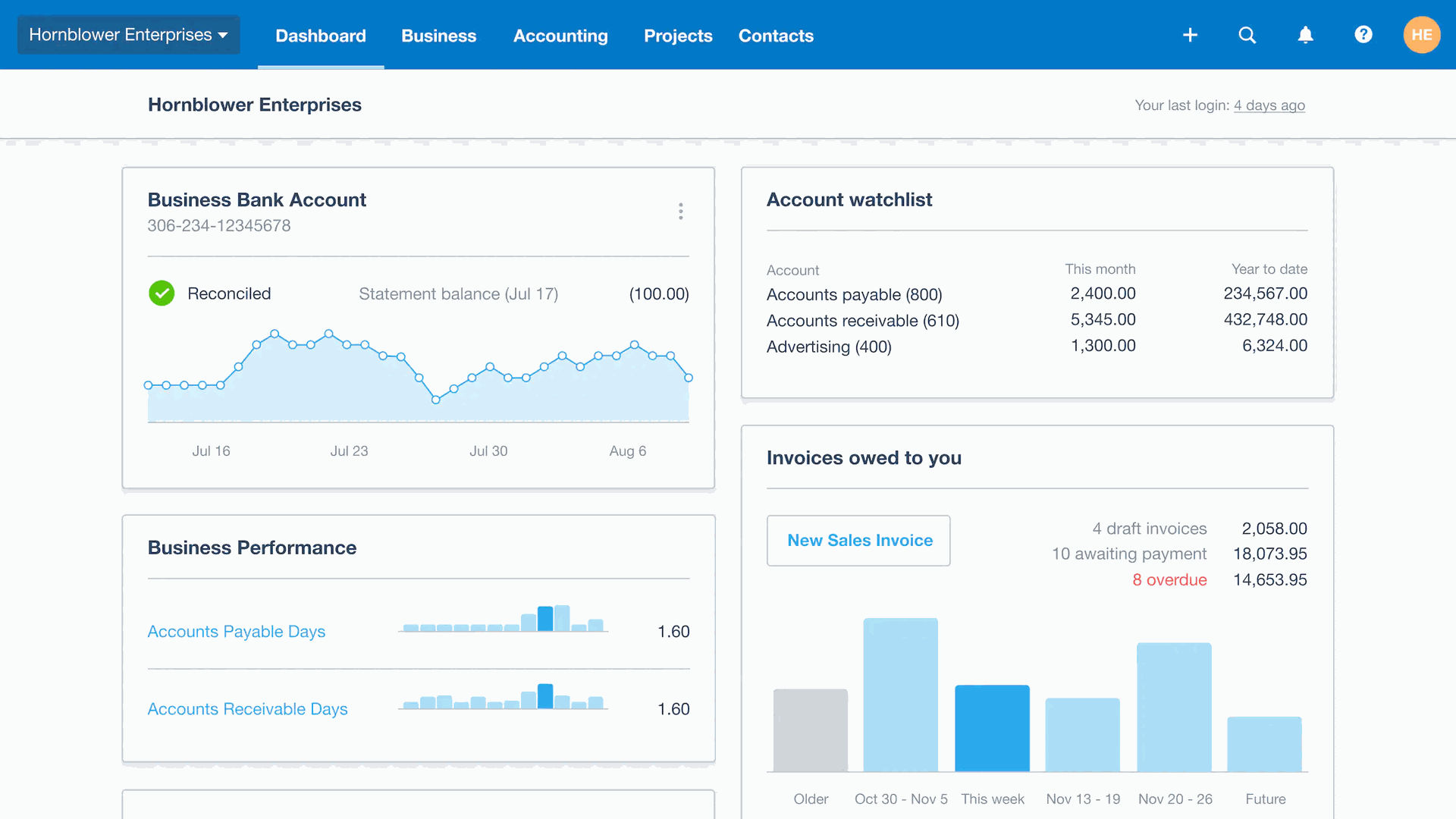
Xero is a cloud-based accounting solution that has gained massive popularity among Australian SMEs for its simplicity, excellent UX, and strong integration with local financial and tax systems. It’s known for its plug-and-play nature, allowing small businesses to handle invoicing, bank reconciliation, BAS, payroll, and reporting with minimal setup.
Odoo, by contrast, is more than just an accounting tool. It's a modular ERP system that offers financial management as part of a larger ecosystem—including CRM, inventory, HR, manufacturing, and more. The Accounting module in Odoo is powerful and versatile, capable of supporting complex financial operations when configured properly.
Features Odoo VS Xero: Side-by-Side
| Feature | Xero | Odoo |
|---|---|---|
| Invoicing | User-friendly, compliant with Australian tax laws | Fully customisable with automation capabilities |
| Bank Feeds | Real-time sync with Australian banks | Available via third-party connectors or custom integration |
| Payroll | Built-in, ATO-compliant | Via dedicated apps or integrations like Odoo Payroll (with configuration) |
| BAS/GST Reporting | Native support | Requires localisation (available through partners) |
| Custom Reports | Limited in standard plan | Highly customisable with full control |
| Multi-Company Support | Limited | Built-in and robust |
| Scalability | Great for small businesses | Excellent for growth and multi-departmental needs |
| Third-party App Integration | Strong app ecosystem | Open-source API and large module ecosystem |
Read More : Odoo vs GHL
Localisation and Compliance for Australian SMEs
Compliance is critical for Australian businesses. Xero has the upper hand in out-of-the-box compliance—it supports Australian payroll, GST, BAS lodgement, and ATO reporting with native features. This ease of use makes Xero ideal for startups and micro businesses that want to get running quickly.
Odoo, while not pre-configured for Australian tax systems, has extensive localisation support through partners and community modules. For example, Odoo can be customised to handle:
- Australian GST
- BAS reporting
- Single Touch Payroll (STP) via integration
- ATO documentation standards
With the right implementation partner, these features can match or exceed Xero's built-in offerings.
User Interface and Ease of Use
Xero shines in this category with its clean, modern UI and focus on non-accountants. It’s designed for business owners and operators who need to manage books without deep financial knowledge.
Odoo, although slightly more complex out of the box, offers a highly intuitive UI once users are familiar. The flexibility to customise dashboards, workflows, and automations makes it extremely powerful, especially for businesses growing in complexity.
Read More : Odoo CRM vs HubSpot
Integration and Automation
Xero boasts a robust marketplace with hundreds of third-party integrations tailored for Australian users—from POS systems to payroll add-ons.
Odoo’s open-source framework allows for deeper integration and automation. Businesses can connect every aspect of their operations in a unified system—from sales and inventory to finance and HR. This tight integration often reduces redundancy, improves efficiency, and provides better visibility across departments.
Scalability and Long-Term Value
One of Xero’s main limitations is scalability. As companies grow, they may find themselves requiring more robust ERP features such as advanced inventory, project management, or multi-company accounting—forcing them to patch together several tools.
Odoo is built with scale in mind. As a full ERP solution, it grows with your business. Whether you’re managing five employees or five hundred, Odoo’s modular structure ensures you can add functionalities without switching platforms.
Read More : EOFY Checklist - Easier with Odoo Accounting
Pricing Comparison
Xero operates on a subscription basis with tiered pricing. While affordable initially, costs can add up as more features and users are needed. Additional modules or integrations (e.g., payroll or time tracking) may incur extra charges.
Odoo offers a flexible pricing model: you pay for the apps you need and the number of users. The community version is free, while the enterprise version offers premium support and cloud hosting. For growing businesses, this pricing structure often provides better ROI.
Read More : 7 Essential EOFY Reports for Australian Businesses
When to Choose Xero
- You run a small business with basic accounting needs
- You prefer an off-the-shelf solution with minimal setup
- Compliance and local tax reporting are your top priority
- You don’t need complex inventory, CRM, or manufacturing features
When to Choose Odoo
- You anticipate growth and need a scalable system
- You want to integrate accounting with other business processes
- You require custom workflows or advanced reporting
- You need multi-company or multi-currency support
- You’re ready to invest in a long-term ERP solution
The Final Verdict
Both Xero and Odoo are excellent platforms, but they serve different business needs. Xero is ideal for startups and small businesses looking for ease of use and fast local compliance. Odoo, on the other hand, offers more flexibility, customisation, and long-term scalability—making it the smarter choice for SMEs planning for growth and integration.
With the help of a qualified implementation partner, Odoo can match—and in many cases surpass—Xero’s accounting capabilities, while providing a full ERP backbone for broader business management.
Partner with Moonsun: Australia’s Trusted Odoo Experts
At Moonsun.au, we specialise in helping Australian businesses unlock the full potential of Odoo. As an official Odoo Partner in Australia, we provide end-to-end implementation services—from localisation and setup to custom module development and training.
If you’re currently using Xero or another platform, we also offer Odoo migration services—ensuring a seamless transition with minimal disruption to your business. Whether you're just starting or scaling rapidly, our team ensures Odoo is tailored perfectly to your operations.
Ready to transform your business with Odoo?
Visit moonsun.au or contact us today to book a consultation.
Odoo vs Xero at a glance
| Xero | Odoo | |
|---|---|---|
| What it is | Cloud accounting software | Full ERP: accounting plus inventory, sales, CRM, eCommerce, POS, manufacturing, HR |
| Australian GST and BAS | Yes | Yes, with Australian localisation |
| Inventory | Basic tracked items; add-ons needed for warehouses | Full multi-warehouse inventory, barcode, lots and serials |
| Manufacturing | Not included | Included (BOMs, work orders, MRP) |
| CRM and sales | Add-ons needed | Included |
| eCommerce and POS | Via integrations | Included in the same system |
| Pricing model | Monthly plan per organisation, plus add-on subscriptions | Per user per month, all apps included |
| Best for | Small businesses that mainly need accounting | Growing businesses that want one system for operations and finance |
When Xero is the better choice
- You mainly need invoicing, bills, bank reconciliation and BAS
- You hold little or no stock
- Your accountant manages most of the finance work in Xero
When Odoo is the better choice
- You pay for several apps around Xero for inventory, orders, CRM or eCommerce
- Stock, orders and accounts often do not match because of syncing issues
- You manufacture, assemble or run multiple warehouses or stores
- You want one system and one set of reports for the whole business
Option 3: use both
Some businesses run operations in Odoo and keep Xero for accounting, connected through an integration. This keeps your accountant happy while giving your team a proper ERP. We help you decide whether a full move or an integration is the better path.
Xero to Odoo migration checklist
- List every app connected to Xero and what each one does
- Decide how many years of history to bring across
- Clean up contacts, products and chart of accounts before migrating
- Run a test migration and reconcile balances
- Train your team and plan cut-over at month end
Read more about our Xero to Odoo migration service, compare Odoo pricing in Australia, or see how we approach Odoo implementation.
Frequently asked questions
Is Odoo better than Xero?
Odoo is a full ERP, while Xero is accounting software. If you only need accounting, Xero is simpler. If you need inventory, sales, CRM, eCommerce or manufacturing as well, Odoo usually replaces several apps and reduces syncing problems.
Is Odoo cheaper than Xero?
Xero on its own is cheaper, but once you add inventory, CRM and eCommerce apps, total costs are often similar or higher than Odoo, which includes all apps in its per-user price.
Can Odoo do Australian BAS like Xero?
Yes. Odoo includes Australian GST tax codes and BAS reporting.
Can I connect Odoo and Xero?
Yes. Odoo can be integrated with Xero so operations run in Odoo and accounting data flows to Xero.
Thinking of moving from Xero to Odoo?
We migrate Xero data to Odoo, or connect the two, with a fixed-price plan and no downtime.
MoonSun is an official Odoo partner in Australia with consultants in Melbourne and Sydney. Get a fixed-price quote, with no surprise invoices.
Get a fixed-price quote
Tell us about your business and we will come back within one business day with next steps and a fixed-price quote.